On the Trail of The Astorian

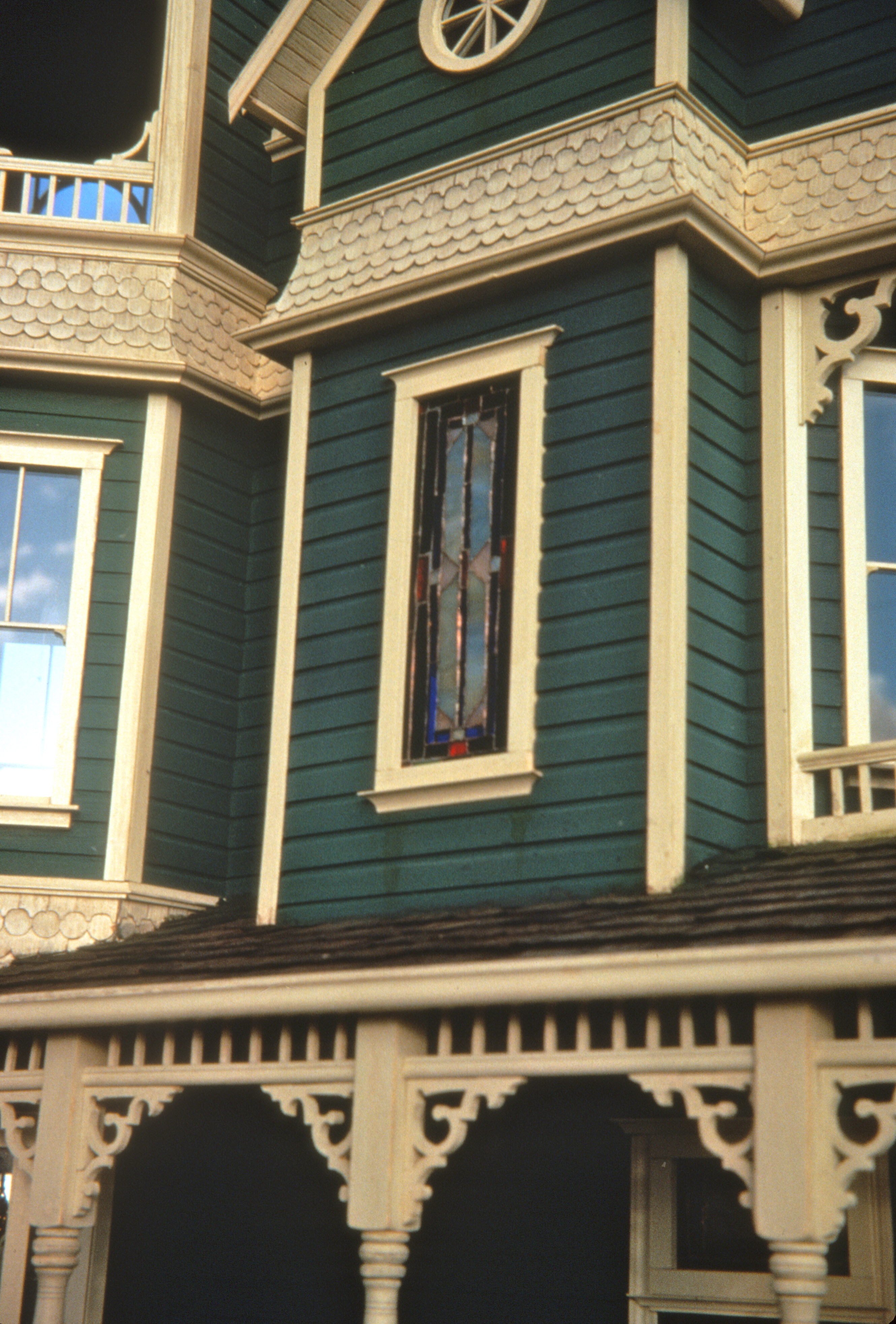
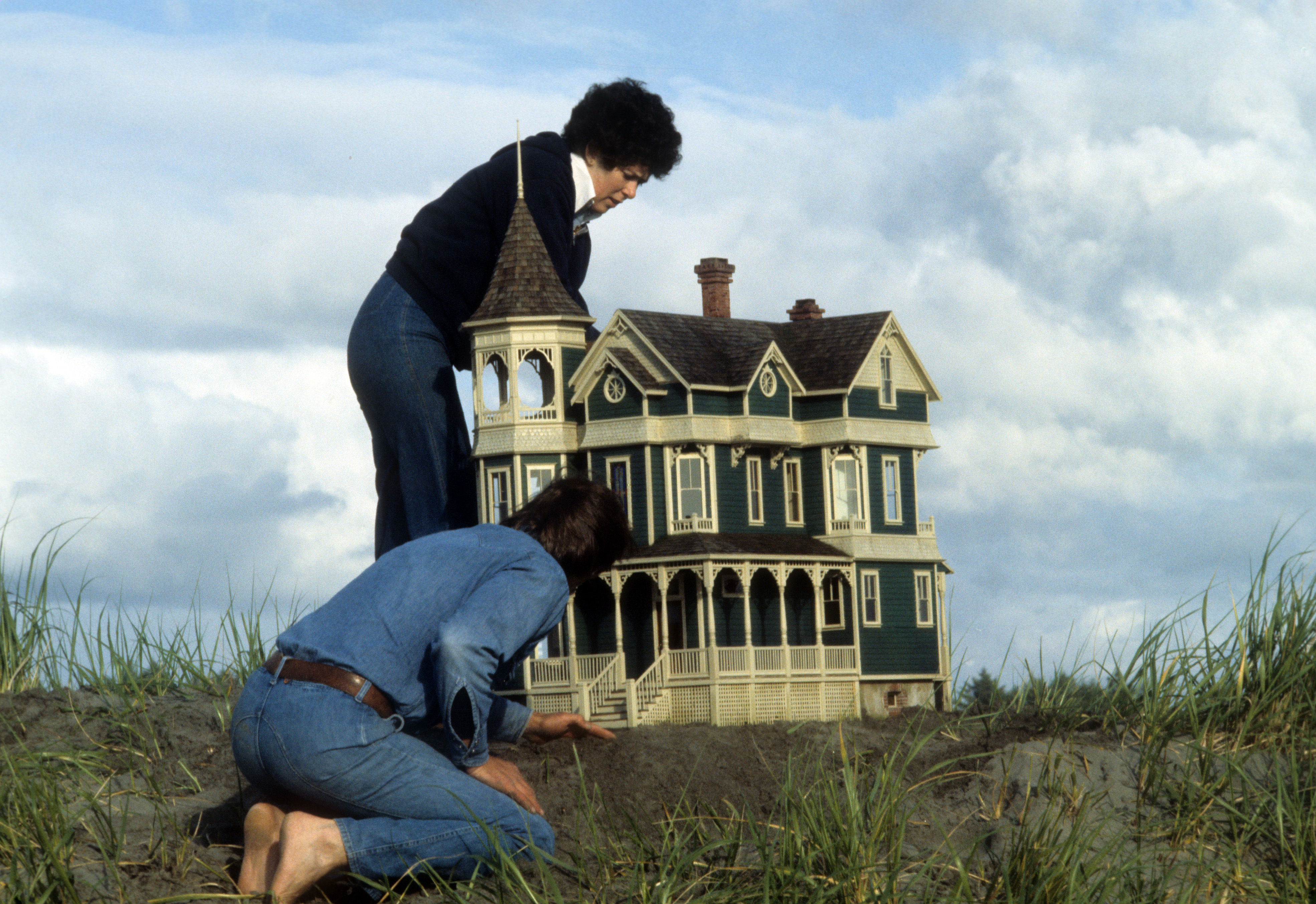
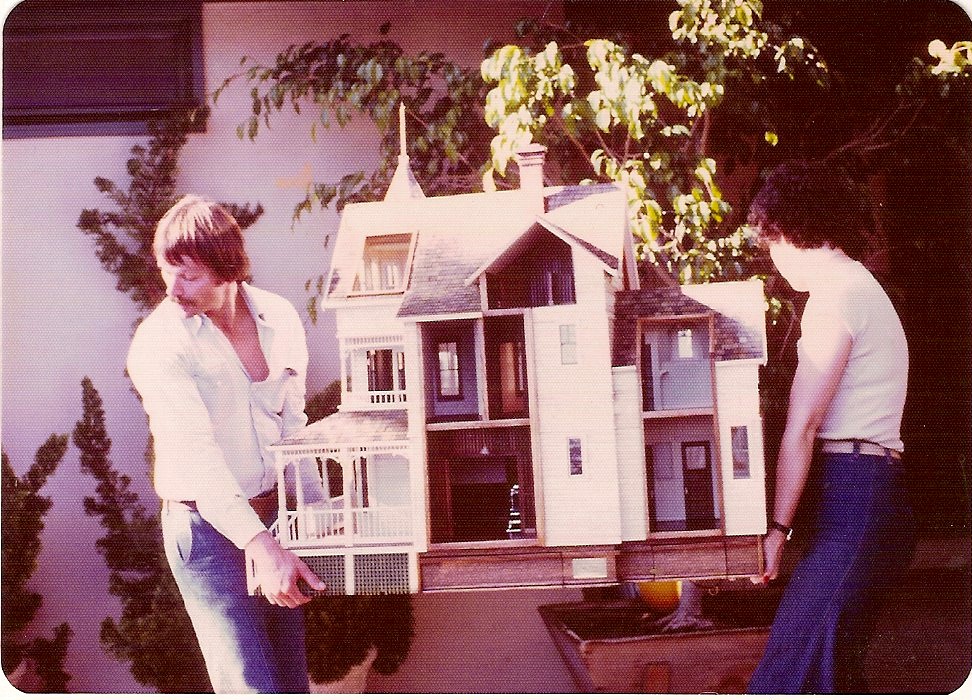
The Astorian, 1978

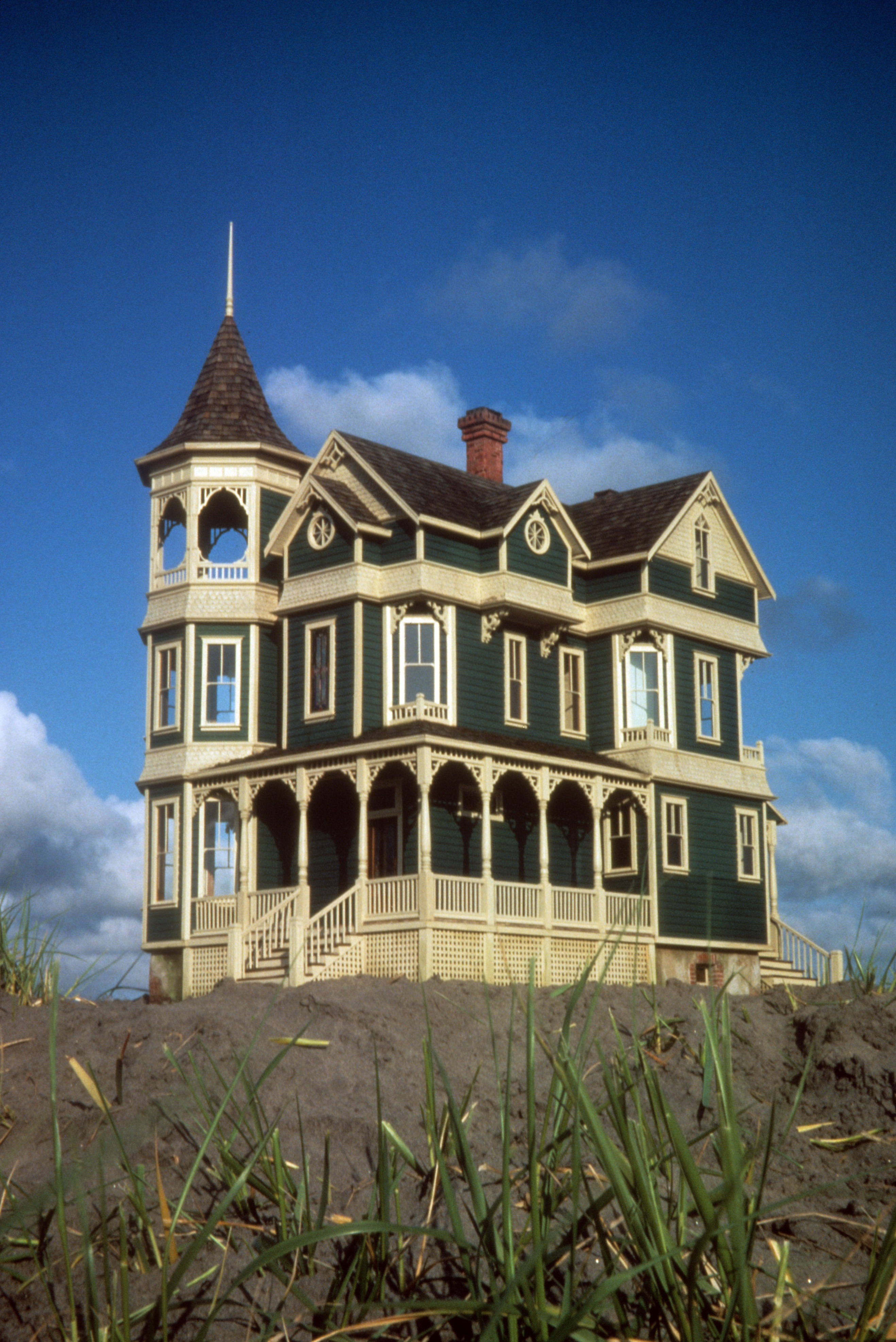
For better and worse, over the years our houses have begun to wander. One of the happy stories is of The Astorian, which got off to a rocky start, found a good home for 30 years, and now resides at the Denver Museum of Miniatures, Dolls & Toys http://dmmdt.org/

To begin at the beginning, when we took an order for a house, our wonderful customers signed onto the idea that they would love anything we produced, and that we would indeed produce—our designs, our color. The deal was, they paid a small amount of earnest money and went on the list, with no estimated date of delivery (talk about trust…). If they didn’t like the completed house (this never happened), they moved down the line. If someone ahead of them were to cancel, they moved up in line. And there was always the unforeseen, events that might force them to cancel. We usually had 4-5 houses on order, and the last one on that list could wait as long as 3 years before we began construction. This process did not speed up as we honed our skills. Rather than learning how to build faster, we spent an increasing amount of time on each house trying out new techniques and intriguing details. That was what kept it interesting for us. Our last commissioned project took nearly 5 years.
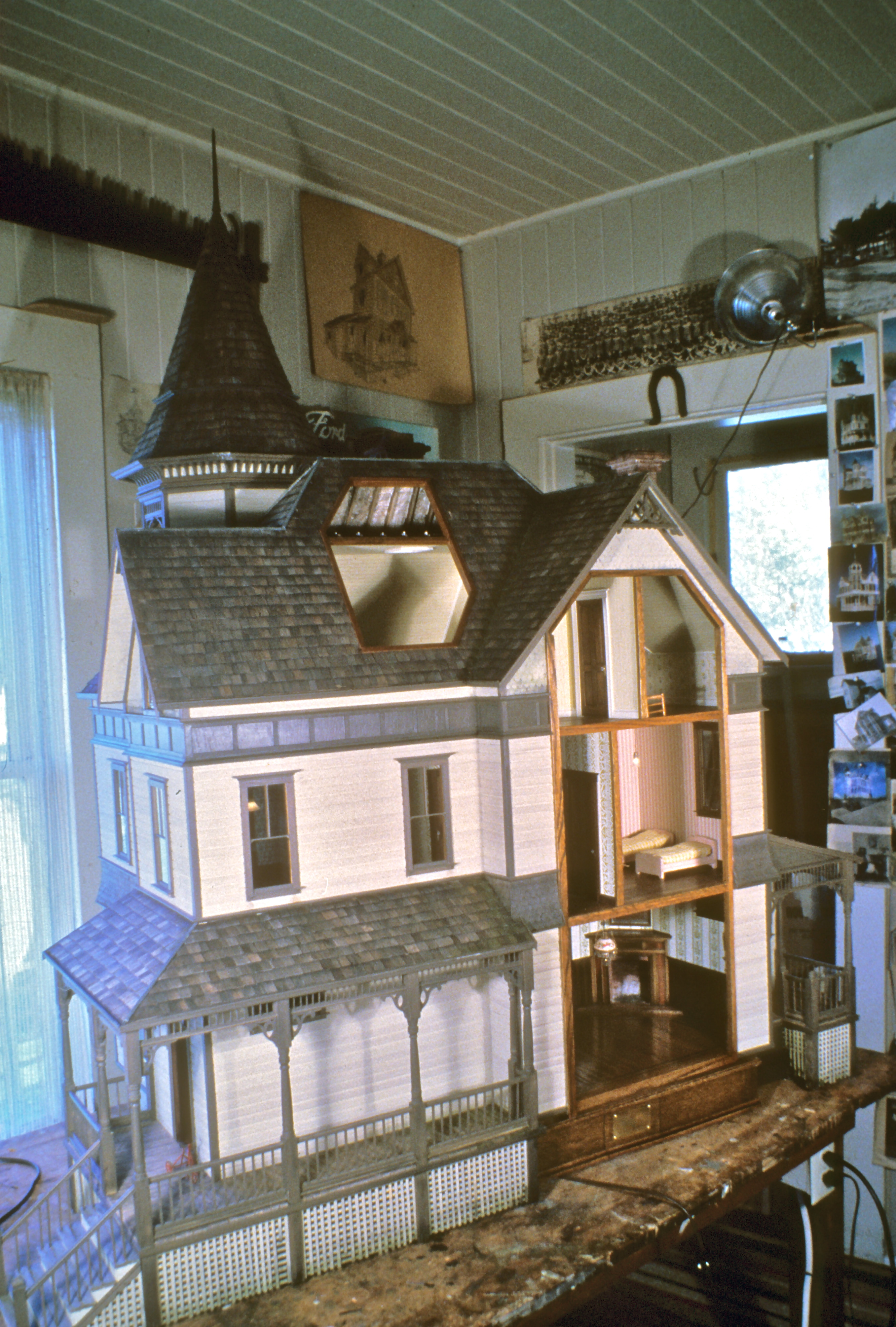
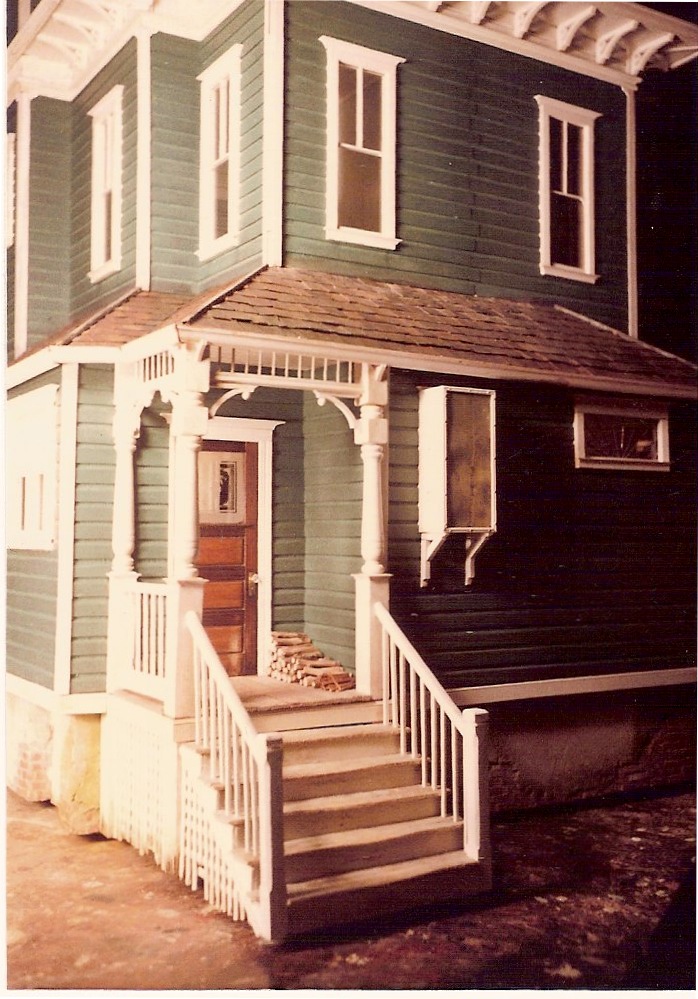
Astorian Construction

The original buyer of The Astorian had a particular color scheme in mind—cream with chocolate trim–a combination which did not exactly make our toes tingle. Color is entirely subjective, and for some reason I’ve always thought brown made a house look sad. This one time we bent to the customer’s request, and went ahead, immersing ourselves in whatever new architectural curiosities this house offered. We stayed in correspondence throughout construction, enclosing pictures with our letters, giving the customer every chance to change her mind about the color, but she did not. She always sent enthusiastic responses along with her timely payments. As we neared completion, we discussed shipping, as she lived too far away for us to deliver it. There was a long pause in our correspondence. Then one night she called to say she said she would come get it herself. When I inquired about the kind of vehicle she would drive, she replied, “a Jeep.” My heart.

The Astorian Parlor

At this point we determined that something was going sideways in her life, or she would never have proposed something so irrational, not to mention impossible. I was convinced the color had jinxed the deal. As it turned out, a crisis was in the wings, and she was, understandably, finding it difficult to say she couldn’t take the dollhouse. It was a disheartening realization for all of us, both for her misfortune, and that of the house. The happy turn of the story was that the next customer was ready to take delivery of The Astorian. And she loved the color. We were able to quickly arrange to ship it to her, and return the original buyer’s money so she could get on with her life.
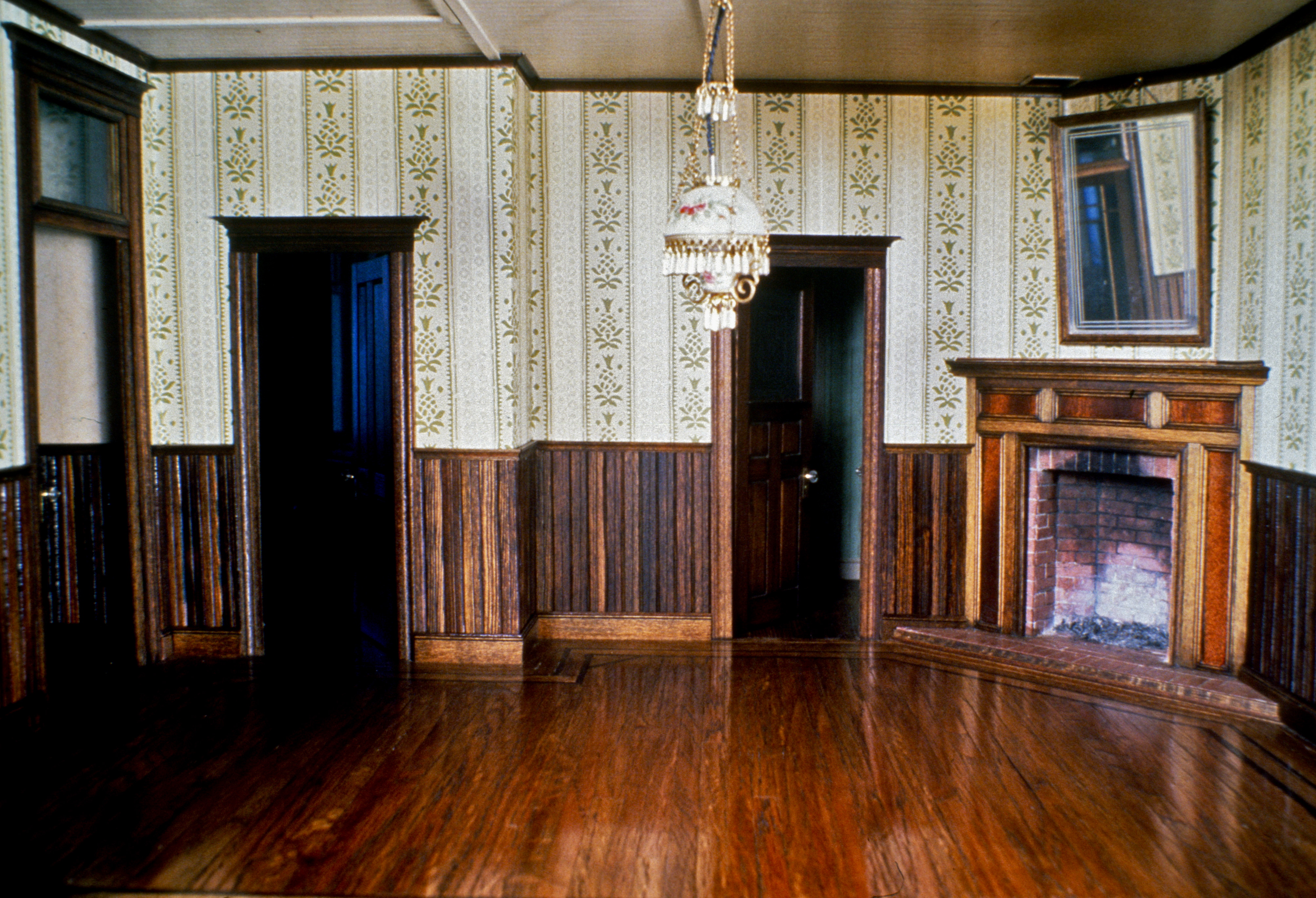
Astorian Dining Room

Thirty-two years later, in July, 2010, the Denver Museum emailed to announce their pleasure in being the new owners of The Astorian, a donation from the long-time original owner. If they’re pleased, we’re delighted, as a museum is the ideal home–a place where the house can be taken care of, and enjoyed by many. It seems the color scheme was not a jinx at all, but perhaps the luck of the house. One day soon maybe we’ll tie our traveling shoes back on and pay the lucky Astorian a visit in its new home.
Posted in Houses, Miniatures | Tagged , , , , , | 2 Comments

Noel’s Gingerbread Design

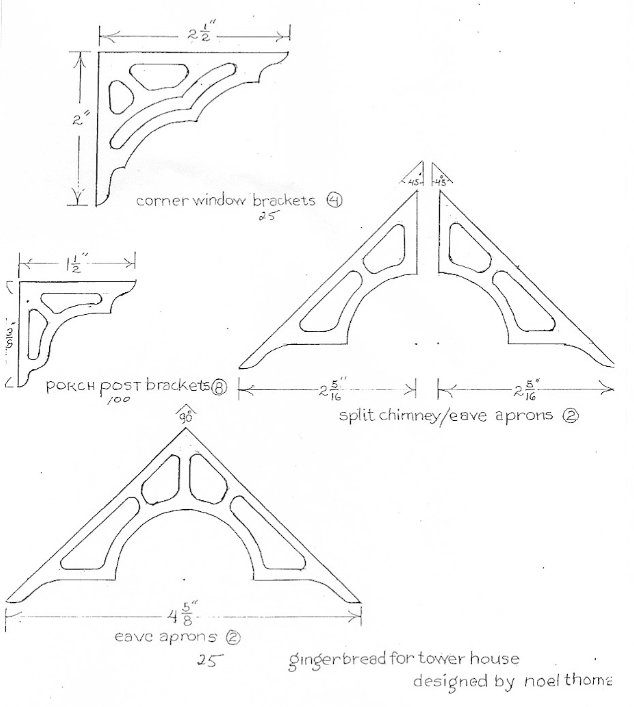
In my last post I described how Noel cut gingerbread designs out of gelutong, and thought this might help if you are doing one of your own. Yes, you may use this design.

Noel's Victorian Gingerbread Design for Kits

Posted in Miniatures | 1 Comment

It’s All in the Numbers

The Oysterville House 1978

Miniature house #17 was The Oysterville, the second of three houses we built in 1978. #18 would make that 18 houses in 5 years—or 3+ per year. I think this was the first $6000.00 house, which boiled down to each of us earning almost .25 per hour. Yes, that’s cents, not dollars.  I can’t comprehend those numbers. Somehow we managed to finish and deliver houses more or less on time, as well as have a life with our dog, a garden, summers with Noel’s daughter, my part-time job at the bookstore, and a social life.

Since I didn’t start writing my column for Nutshell News until 1981, this and many of our Victorians are undocumented. However, The Oysterville  had an accident in a move from California to Washington in 1992, and I wrote about the house and repairs for the 12/93 issue, for those of you who collect them. More about that in another post.

Gingerbread and fishcale shingle detail

The Oysterville featured a 3-story tower with widow’s walk, fishscale (or scalloped) shingle banding, complex roof shapes, alcoves and gables, and Noel’s trademark elaborate gingerbread trim. His expertise at gingerbread was due in part to Jim Marcus, one of the all-time great miniature housebuilders (most notably the San Francisco Russian Embassy series) who told us about the wood gelutong, which I have written about in previous posts. It is a wood with no apparent grain, which makes for easy carving. Noel would cut a length of gelutong stock in the dimensions he wanted for the trim, then cut that into lengths short enough to fit the Dremel scroll saw. He drew his gingerbread design on one end of the stock, then cut it out on the Dremel with an extra fine blade. The block was then sliced like salami into the proper thickness for the gingerbread. He repeated the process as many times as needed.

On the beach with The Oysterville

By 1978 we had become local celebrities. To our dismay, shop owners in town would suggest our studio as an attraction for tourists. For the most part these people were only out to gawk, and eat up an hour or more of our precious work time (or worse, our naps!). They thought they had come to see sweet little toymakers, instead they saw something they couldn’t comprehend–it just didn’t fit their expectations. It inevitably came down to the real question, “How much?” the answer to which invariably made them gasp, clutch their purses to their chests, and hurry out the door. The upside was some wonderful publicity from the press, including a lovely article written in The Daily Astorian (OR) by one Nancy Butterfield in 1984, which included a photo of The Oysterville. Unbeknownst to any of us, the photo and a few lines of her copy were picked up by “Ripley’s Believe It or Not.” They decided it was okay to name me Peggy, and their “artist” made a pretty poor line drawing from the photo (I guess to avoid copyright problems…) in which “Peggy” is enormous, and Noel looks about 10 yrs. old. The worst was the obvious incredulity at these people selling dollhouses for  “up to $20,000!”  As far as we know it only ran once, on a child’s page in an Alaska newspaper, but once was enough for some miniaturist to see it and send us a copy. It remains one of our prized possessions. 

Posted in Bio, Houses, Miniatures | Tagged , , , , , , , | 11 Comments

Beach Walks & Saturday Night Live

The Loomis Lake House, 1978

In 1978, while we were building The Loomis Lake house, the world was watching Saturday Night Live (with Steve Martin’s original King Tut performance) and Saturday Night Fever. Gas cost .63 a gallon, and new homes went for $54,800.00. The Loomis, the first of the three houses we completed that year, was a steal at $4000.00. It included one of a small handful of Marie Freidman hand-blown cranberry glass chandeliers, an elaborate stained glass window, and fireplaces upstairs and down.

To keep ourselves from adhering permanently to our studio chairs, we and our yellow Lab Sunshine started out each day with a 2 mile beach walk, then it was home to breakfast and work. Otherwise we stuck to the job with few deviations–feverishly, and on Saturday nights…

Loomis bedroom balcony

I do remember one sweltering day when we escaped to the beach in bathing suits and flip-flops (highly unusual because our Pacific Ocean water is normally too cold to swim in). It was low-tide and the beach was cratered with huge tidepools, deep and wide enough to lie in, so we ditched our flip flops by a drift log and headed south to see how many tidepools we could swim in. Several hours later we returned to find our flip-flops gone—unimaginable on such a beautiful day, and with so few people around. It didn’t spoil the day,however, just gave us another marker for one of our Most Memorable Days stories. I mean, they were old flip-flops!

Loomis Living Room wit Marie Freidman chandelier

Back at the Loomis, we were deep into our Victorian chair-rail height wainscot phase—the vertical bead-board trim shown in the photos. While Noel was making beautiful, and ever-more-intricate stained glass windows, I was laboring over wainscot. It was one of those repetitive tasks I didn’t mind, because once set up, it didn’t require a lot of brain work, and I could stand there at the Dremel, beveling board after board, look out the window and let my mind wander. I don’t miss the back pain from bending forward over the sander for hours at a time–where were my yoga classes then?! (Or how about another beach walk?)

Loomis master bedroom with wainscot

Using straight-grained fir planks, Noel cut wainscot strips ¼”w by about 24”l on the table saw. I then beveled them on the Dremel scroll saw sanding disk, first the length of one side, then the other (I know, you toolies, we don’t believe in or own a planer…). Phase two was to cut the strips to around 4’ long—a little longer than the intended height of the wainscot—and glue them down on newspaper. To keep my boards vertical. I used a T-square and dark lead pencil to draw guidelines on the paper, then used our old standby Elmer’s white glue to glue them to the paper. Every ten, or so, strips, I used a triangle to make sure they were tightly butted together, and the lines were perpendicular to the bottom edge.

Making wainscot, helped by Sunshine

I then weighted the wainscoted paper down to dry. Once dry they were sanded, then scribed (or scored), each board with a line down the center to form the “bead.” Our scribing tool was a large galvanized nail tip Noel had sanded the bumps out of, and the T-square. Sometimes I had to go back with an emery board to straighten or deepen some of the scribes. We then hand-sanded down any wild wood fibers, and stained or painted it. This was usually a 2-3 coat process, with sanding in between, and finished with 4/0 steel wool. Once the wood felt smooth, we rubbed in Johnson’s paste wax. Now the sections of boards were ready to be trimmed to the correct height, and glued onto the walls, with, yes, more Elmer’s.

Wainscoting was a job, like all the others–tedious at times, rewarding at others–but overall we hoped to make each element of the house reflect the builder’s hand more than the machine’s.

Loomis back steps

Posted in Bio, Houses, Miniatures | Tagged , , , , , | 4 Comments

In Memorium: Sarah Salisbury

Visiting with Sarah in Hawaii, 1987

With the passing of Sarah Salisbury on April 6, the community of miniaturists lost a great friend, connoisseur and generous benefactor. She was passionate about miniatures and their makers, and had an eye for the best. Sarah was there at the flowering of the miniatures resurgence in the mid-70’s, attending shows, and quietly observing who and what was out there. By the time Noel and I met her in 1976, she had begun to collect some of the finest pieces of the finest artisans, encouraging them, and us, on to ever better work. She seemed to be at every show—at that time they were almost every weekend, many affiliated with NAME. One of my favorite Sarah memories is walking around the sawdust-covered floors of Billy Bob’s rodeo bar arena in Ft. Worth kibitzing, drinking (uncharacteristically for her) Coronas with a lime wedge (awful stuff), and talking over the show we were attending. She befriended collectors, hobbyists, and ferreted-out new artisans to nurture along. It was in that role that she wrote “The Private Eye,” a longtime column for Nutshell News in which she sleuthed-out particular items people wanted for their collections, as well as spotlighting new artisans she found along the way. Where Sarah went, the crowd followed. She was among that small handful of major collectors who put new artisans on the map. In those days miniatures was growing fast, and Sarah helped accelerate not just the pace but the broadening of the field, creating a snowball effect of collectors and artisans.  She was there at the beginning of the IGMA, an organization founded to promote miniatures as art, and she poured herself into finding Guild-quality artisans from around the world. And she did it all with grace and humor. She made the making of miniatures as a career a possibility for Noel and me, and I am certain we are not alone in attributing the longevity and extent of our reputation in large part to Sarah. She opened her home and heart to so many of us. And so much of what we enjoy today in miniatures is there because Sarah was there. Farewell, dear friend. If there isn’t already a miniatures heaven, we trust you will create one.

Posted in Bio, Miniatures, People | Tagged , , , , , , | 2 Comments

Farewell to Leroy and Patty—Our Stunt Guys

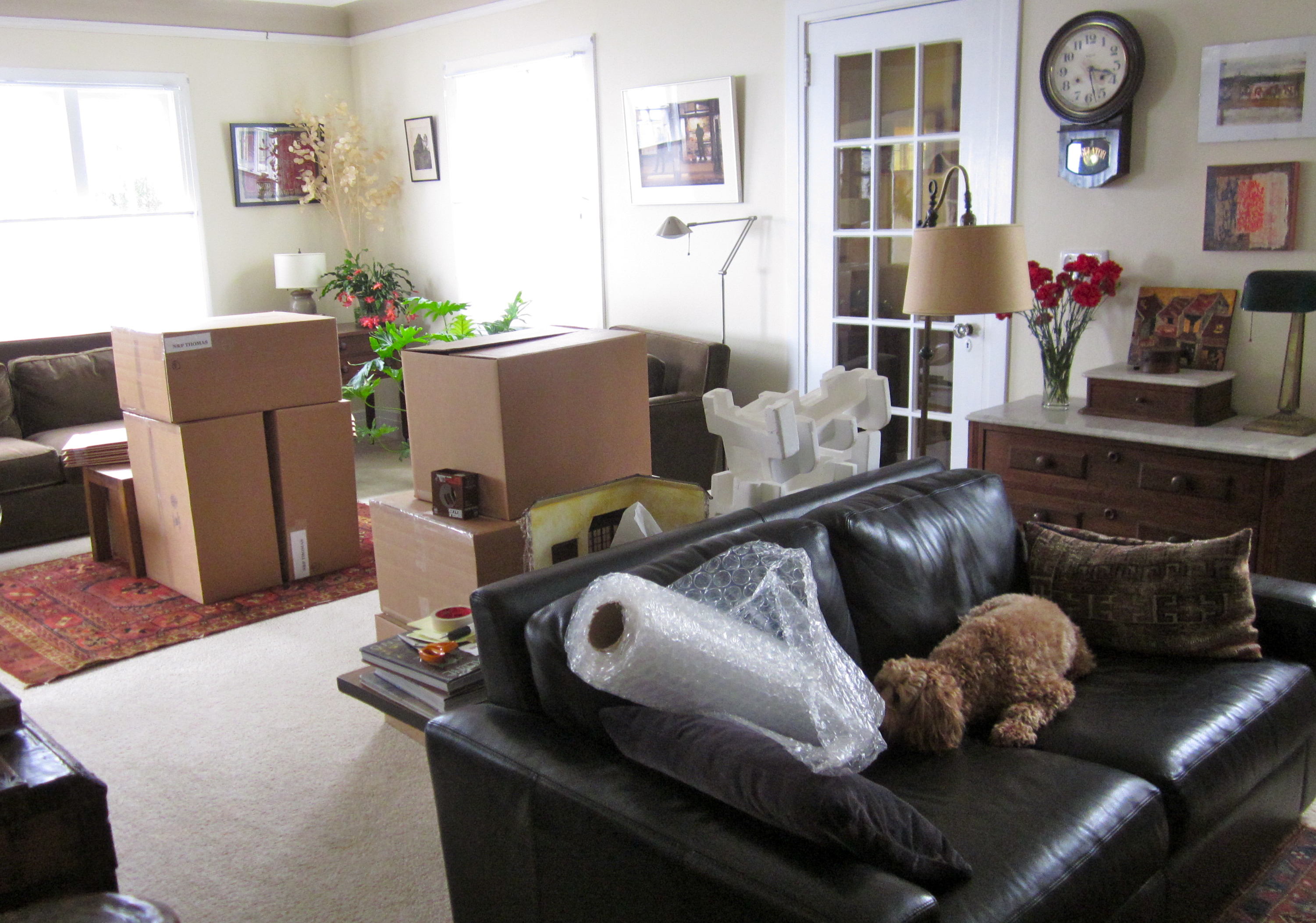
Packing for Castine

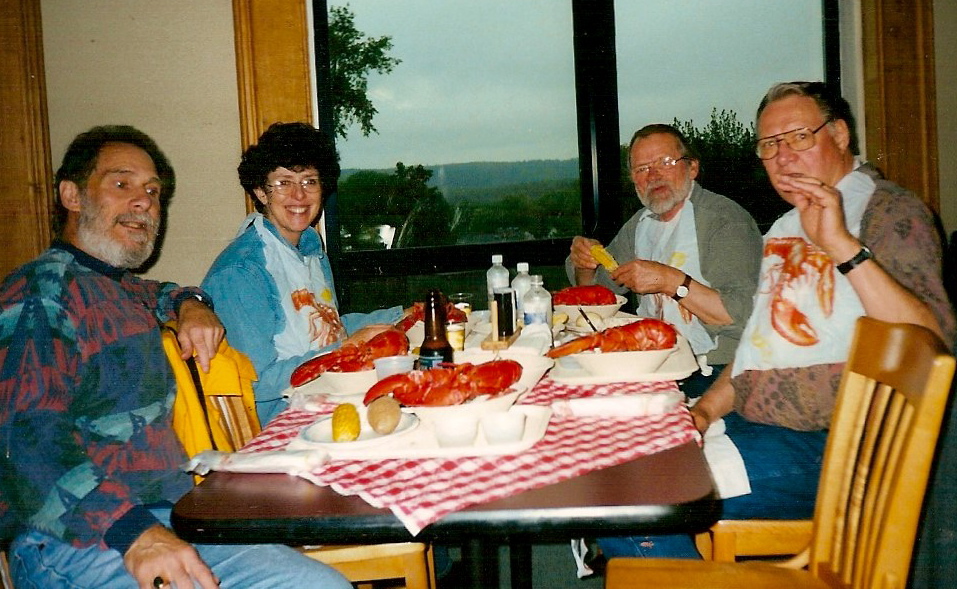
It must be May, our living room is full of packing boxes, bubble wrap and foam. We are prepping for our last teach-a-thon at The Guild School. Thirty years ago, Don Buttfield and a group of like-minded miniaturists started the International Guild of Miniature Artisans (IGMA) School at the Maine Maritime Academy in Castine, ME, to teach miniatures as an art form. The following year we were asked to speak to the gathering and teach a 6 hour class. We weren’t quite sure what it was all about, but we liked the people, and looked forward to spending a couple of weeks on the Maine coast. Other than last year, when we took a time-out to repair Noel’s heart, we have made the trek and taught there every summer since. I say “made the trek” as it takes three days and more than some tenacity to get from Astoria to Castine, not to mention the 12-14 boxes of structural pieces, tools and materials. There is an old Maine adage that goes, “You can’t get there from here,” and travelers from around the world to Castine will attest to their almost proving that  thesis. Almost. It is, however, more than worth the journey—there are so many friends to visit with, so much lobster and ice cream to eat..

Noel & Pat, Bill Hudson and James Hastrich with lobster 2002

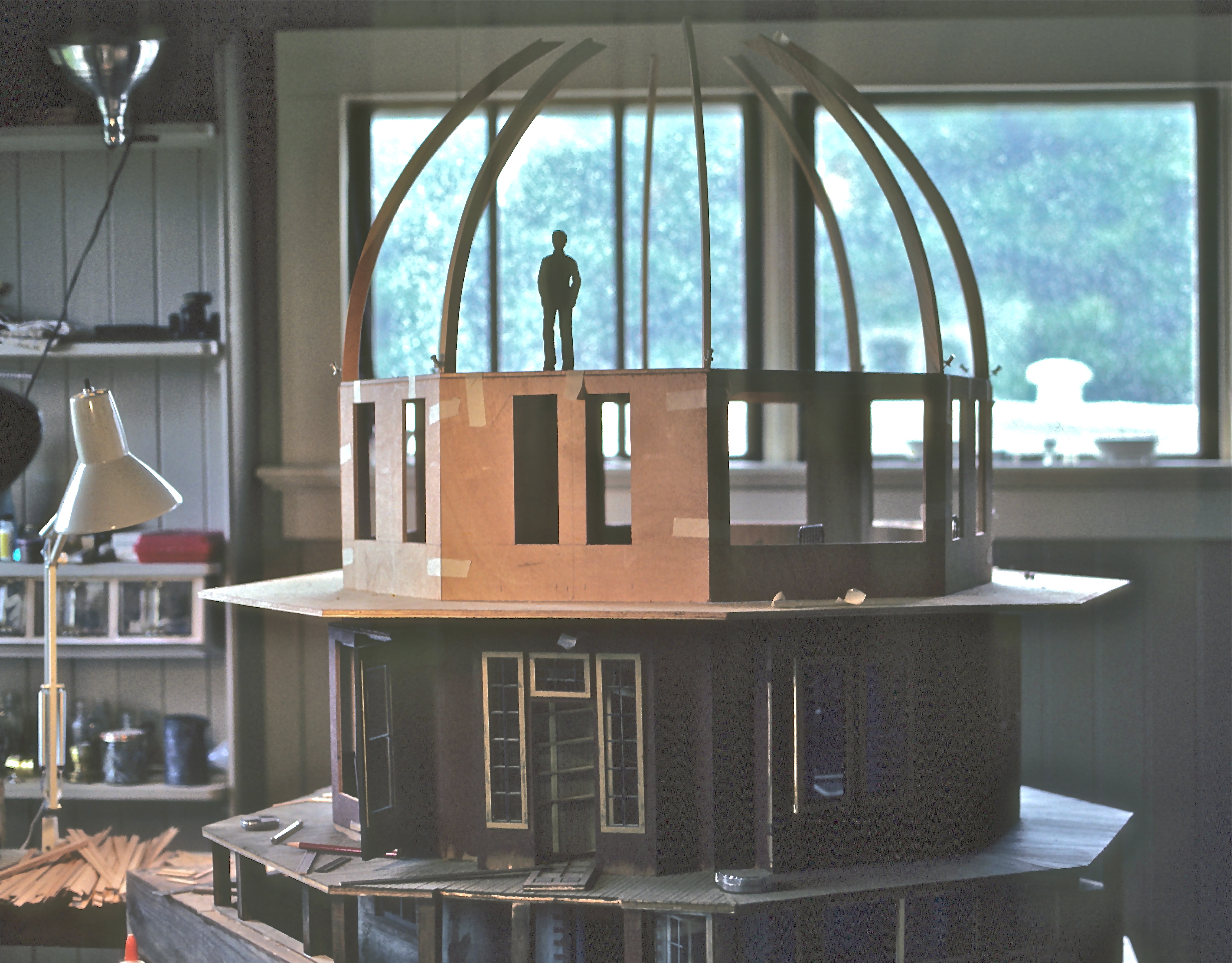
Leroy surveying The Octagon ballroom design

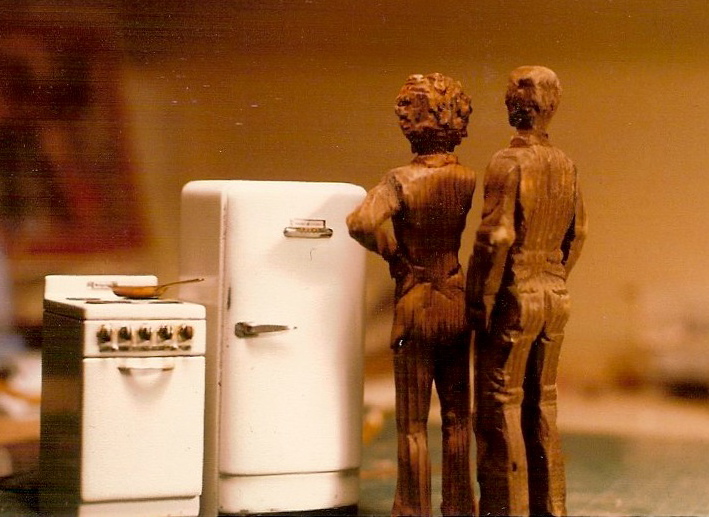
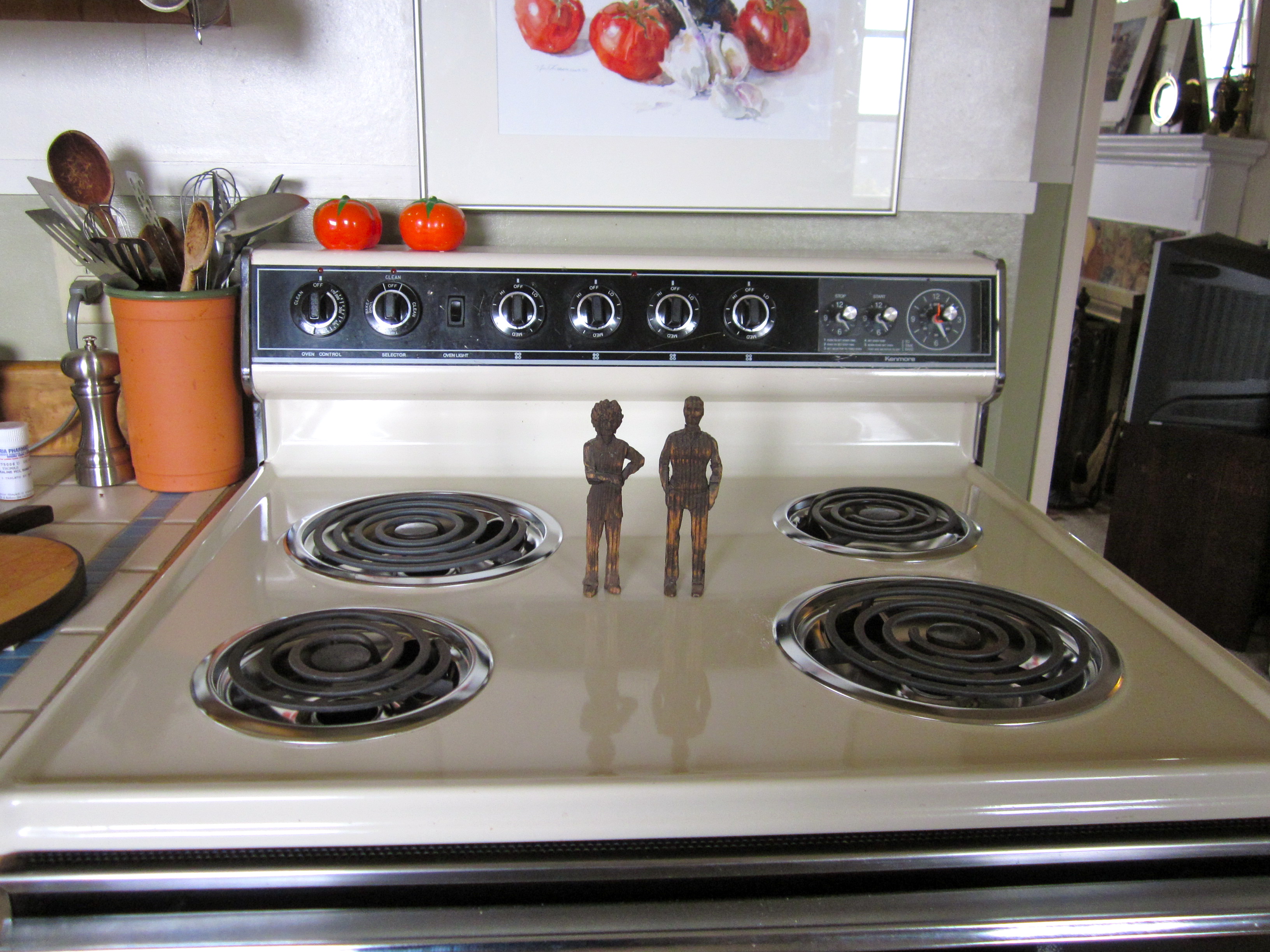
This year, our stand-ins will be making the final journey with us. “Leroy” and “Patty” are a pair of cedar figures that look a little like miniature chainsaw carvings—nothing fancy, but they are design tools we have used for years. It began with Leroy, a hands-in-the pockets kind of guy Noel carved one night to help determine ceiling height in a winding stairwell. Our first photographic record of Leroy is in the Octagon House in 1982.  Being proponents of “eyeball geometry,” we needed something to, literally, stand for us in our miniature structures to see if we had good ceiling clearance, or sufficient elbow room in doorways and stairwells, and Leroy was it. If it looked right with Leroy, then we were good to go. Leroy also became the patsy for anything that went wrong—crooked shingles, molding “cut three times and it’s still too short,” glue that refuses to dry. Poor Leroy, we treated him miserably, and he just stood there, the utter stoic. Noel is quite clear on the fact that the figure is Leroy, not Noel, but if you look at two of them together, I think you’ll see a chip off the old block.

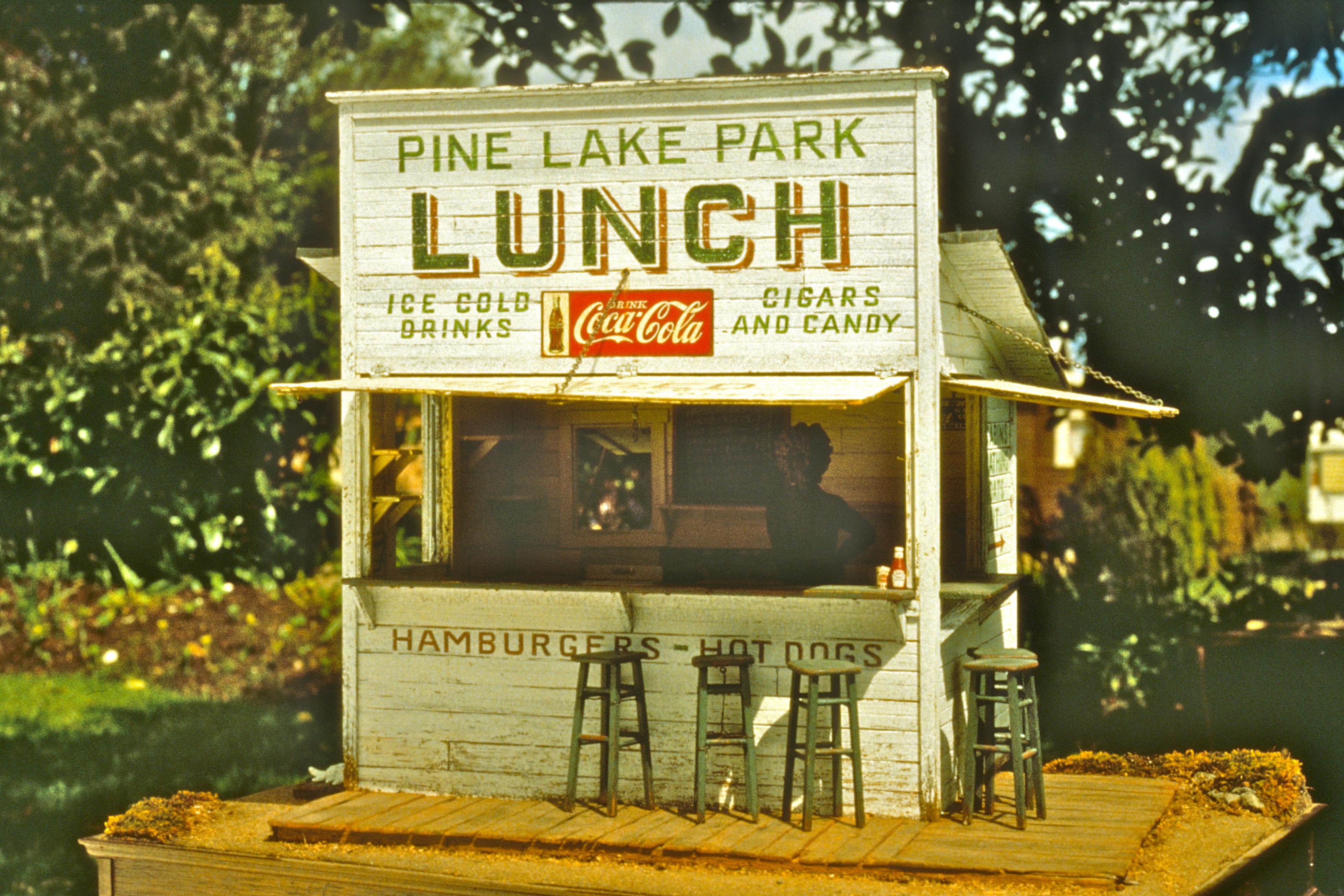
Patty dishing it out in Pine Lake Park

One morning I came down to let out the dog and found a new carving on the table, a female figure standing in one of my characteristic poses, one elbow out, hand on hip. The other arm made me look like I had a stomach ache, or a broken arm, but she had my hair, and was wearing my work apron. Noel said she was “Patty,” so Patty she was, and is–Leroy’s right arm (broken or shriveled as it is) buddy. She has the same weird apple-doll smile as Leroy, maybe from a poor diet and long nights standing up in the dark. They don’t get out much, and it shows. I do think we were kinder to Leroy once Patty came along, she looks like she doesn’t suffer fools gladly.

Leroy & Patty sizing up some apartment-size appliances.

Leroy and Patty have stood by us through the thicks and thins of more than 30 structures, and this year we are donating them to The Guild School Auction—one of the highlights of the school week, raising funds for the scholarship program. As with many Guild Artisans, over the years we’ve donated some of our best work to the auction–this year it will be perhaps our most freakish, but hey, one year they auctioned off a bag of Cheetos for an astronomical sum, just because a couple of friends decided to duke it out over neon orange snacks. As we say goodbye to all that the Guild School is, and is to us, we’re hoping for the best, and for a perhaps more relaxed life for Leroy and Patty—they deserve a vacation.

Leroy & Patty thinking about dinner

Posted in Bio, Miniatures | Tagged , , , , , , , , | 2 Comments

Further Dirt on Basements

First of all, pardon the italics below—some WordPress code gremlin has entered the blog which will take me some time to figure out…

The Bear River Basement

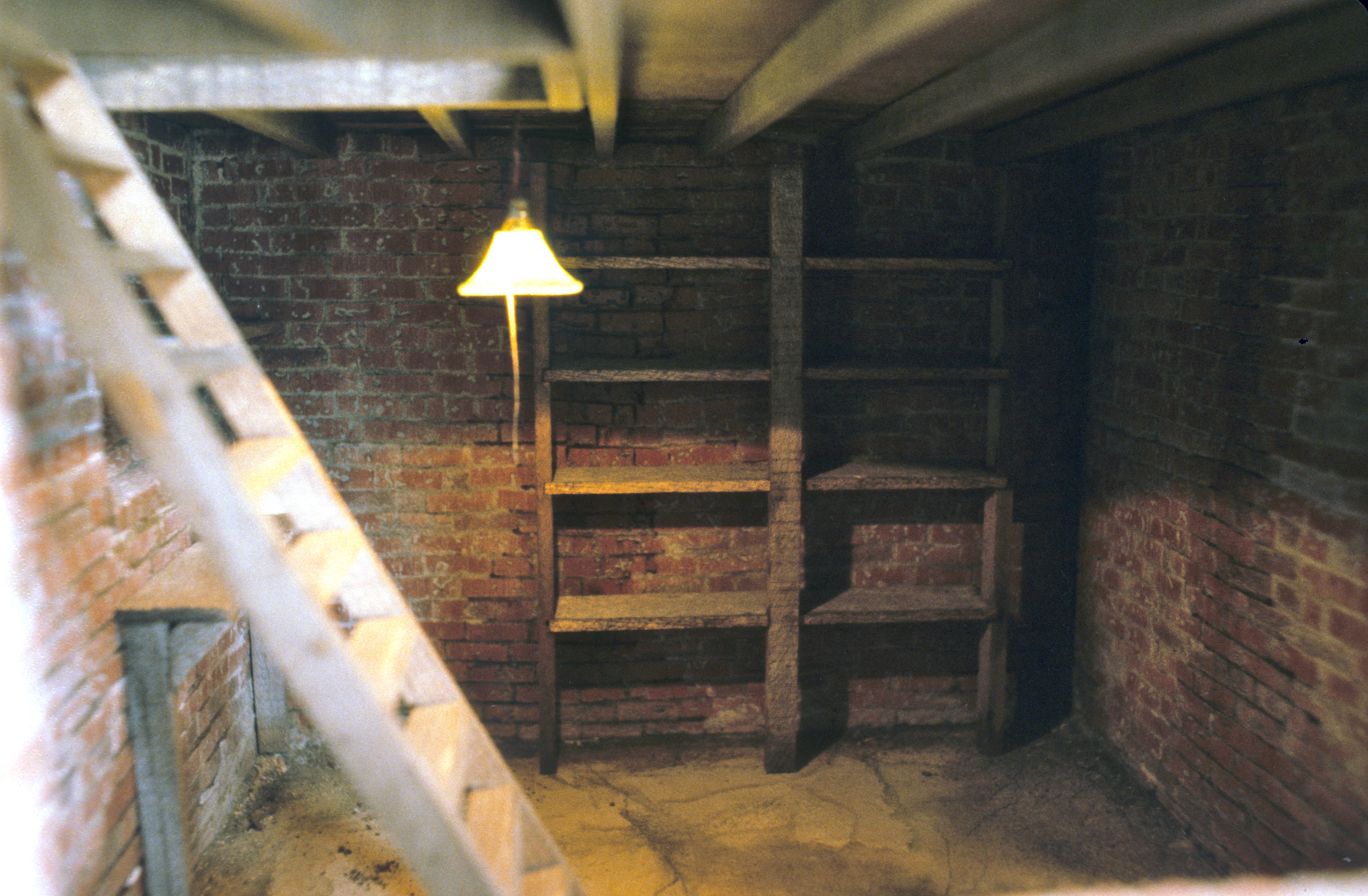
Backstepping a bit to last week’s post, titled For the Love of Basements, where I included not a single picture of a basement, one of our great loves, I thought I’d better fill in with some visual proof. Basements were where we could do what we really wanted—make things look old—without censure from our buyers. I’m not saying the buyers would have refused aging, but in 1977 dollhouse funk was still a new concept, and many were not quite ready to have a house on display that showed major signs of decay or neglect. As long as they had their pretty upstairs rooms, we had room for our own imaginations in the foundations, basements and attics.

The Cathlamet Basement

 As a child I was drawn to basements—for their smells, the mystery of dark corners, furnaces, and shelves lined with jars of unknowable things. Not to mention the crock of fermenting elderberry wine the cat fell into one winter. Odd for me, as in most cases I was the family scardey-cat. Granddad’s basement in Massachusetts was a highlight of visiting him, which I remember for a particular earthy/pungent smell—somewhere between creosote, turpentine, mold and hardwoods—an evocative and comfortable scent I still run across in friends’ workshops, garages and basements. One whiff and I am back in childhood.

Port Townsend Basement

My father had a workshop in the cellar where he went to “putter,” which was Dad-speak for getting “out from under the female population,” and repairing frying pan handles or loose chair legs. He built an ingenious system of jar tops into the ceiling, into which he could screw jars of screws and nails of assorted sizes and types, something he never had in short supply. The walls were granite blocks, thick enough to maintain a constant, comfortable temperature, no matter what the weather. In 1955 it sheltered us during the furies of hurricane Diana, which whirled up huge trees and turned our lower lawn into a raging river. I felt protected and safe, despite roaring winds and the spectacle of devastation we watched through the one tiny window. Our 200-yr.old farmhouse was spared major damage, and Dad used the tree-fall for firewood for the next 20 years.

The Octagon Basement

 Noel shared that lure of underground rooms with me, though we never really spoke about it—we just enjoyed recreating what they felt like from memory. Once we found a “vacant” lot with a pile of rotting wood. It was so riddled with bugs that most of it collapsed when we picked it up. Some, however, was intact, and full of tiny holes, not to mention one of those earthy, unknowable smells, at least after the rot odor dried out. At home we laid it out in the yard, hosed it off (it wasn’t even fit for the garage), allowed the bugs to make their own departure, and the sun to dry it out. For years it was our source of basement ceilings and shelving.

Octagon BAsement

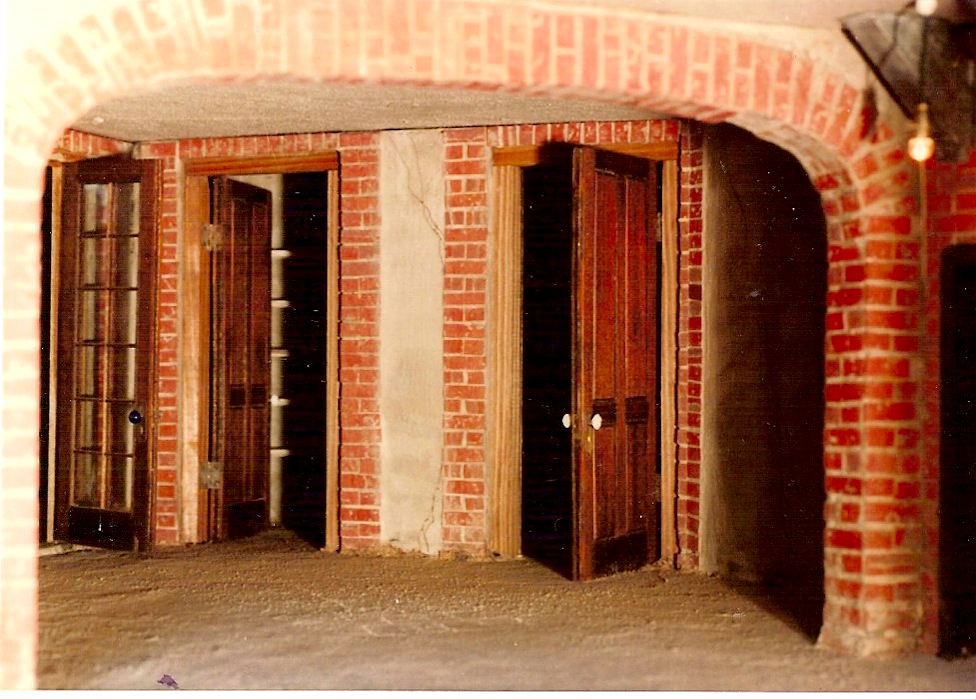
In the case of The Octagon House (1982, last seen in Amagansett, NY), most of the basement rooms (6 of them!) could never be reached or even seen after construction, so they remain a mystery to the owner. At least one of them holds a cache of mini furniture, never to be seen, and lighting fixtures that have no doubt long burned out, just to tempt you into looking. Our hope is that some sleuth spent time with a dental mirror and flashlight to find at least some of it. Somewhere we have a photograph of the furnace Noel built for it, which will be the subject of another post.

 My current Type-A self sometimes wonders at the kind of people who would spend weeks building rooms in full detail that would never be seen—obviously people for whom the clock and dollar were, at best, a nuisance.


Posted in Miniatures | Tagged , , , , , | 3 Comments

For the Love of Basements

Moving the South Bend to its CA home, 1977

Moving a dollhouse is a dicey undertaking. These cumbersome and unbalanced objects have a way of expanding incrementally and secretly during construction. While we learned early on to design a house narrower than our 28” studio doorway, we didn’t always remember to account for the width of the trims.

The first time we had trouble moving a house out of the studio was due to a 3/8” discrepancy between the widths of the door frame and the South Bend porch trim. Noel, master of the quick fix, simply got out his trusty jigsaw and notched the door frame, just enough so we could slide the trim through the gap. “But,” as he says, “I didn’t learn!” The next house fattened up to the point that another notch wouldn’t do–we had to tear out the entire door frame. Noel then reassembled it, notch and all, and just shoved it back in place, where it remained, with the help of a little masking tape, as a piece of floating architecture. The 28″ rule, like the 28″ waist, was no longer attainable.

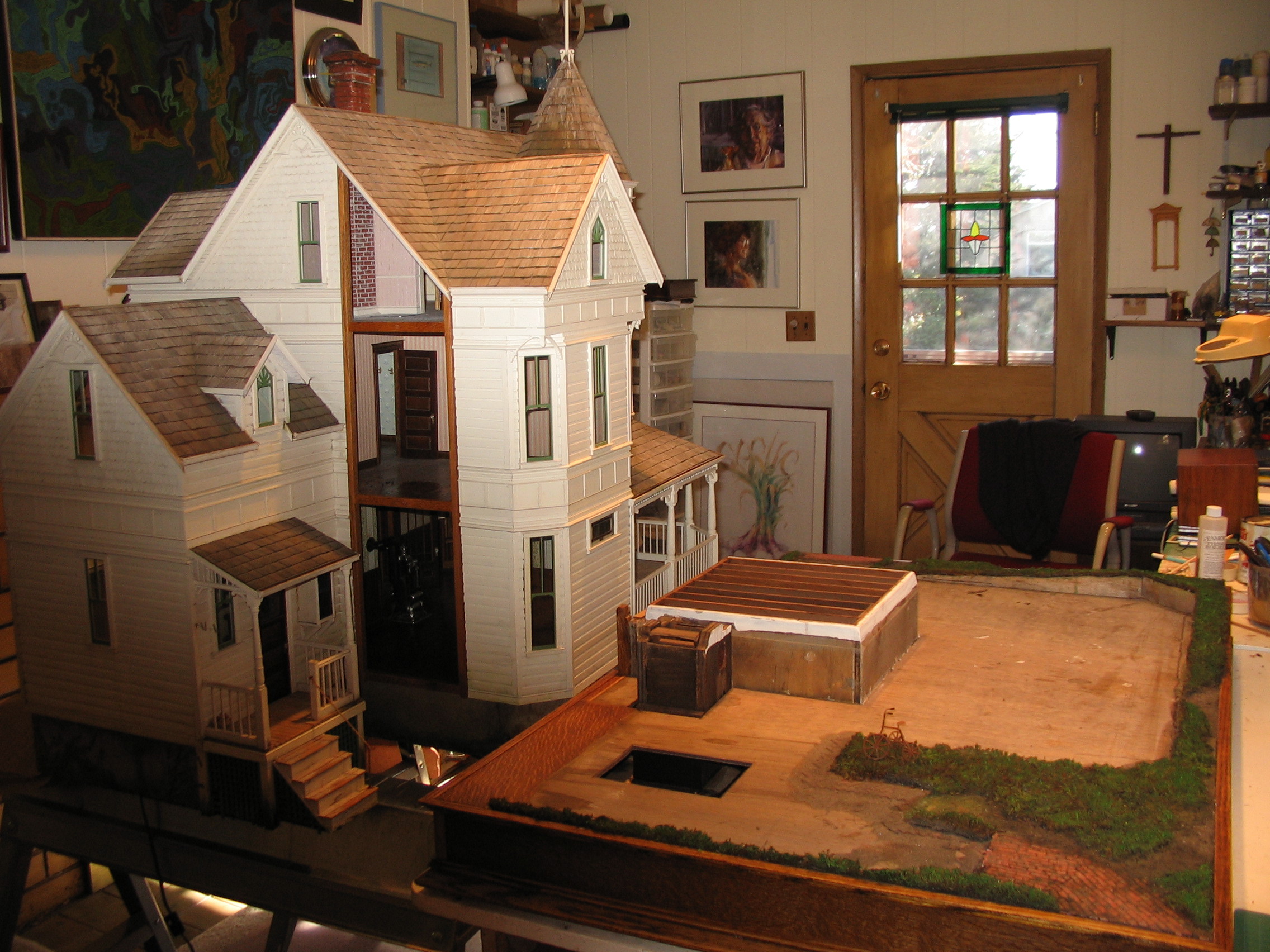
South Bend awaiting new base in Astoria studio, 2005

The South Bend has had more than its share of moves. In 1977 we moved it from Seaview to its home of 28 years in So. California, down the coast and over the mountains in our van, and no, we did not have a barrier between us and the house, should worse have come to worse. To this day I believe the barrier of my worry was far stronger than anything material we could have installed. Once at the destination, the two of us would wrestle the house out of the van and up, down or around whatever path was required. In this case it was a fairly simple path, if a little long, and around a swimming pool. The best part was being able to enjoy the pool, a wonderful meal, and a lovely, warm California night in the customer’s guest quarters.

South Bend and base-in-construction

In 2005 The South Bend began its journey from California to its new home at the Museum Center in Maysville, KY, via our current studio in Astoria, OR, and Artech, the art shipper in Seattle. The house had been built before we discovered the fun of mysterious basements and the advantages to having the house on a raised base. Kaye Browning, the customer, asked if we could add these elements. (As a sideline, the previous owner had mentioned that as a child she had been afraid of basements, so we added a lock to the door leading to the then imaginary basement.) Given that we had always loved basements, we jumped at the opportunity to improve upon an earlier piece. It took some doing, but Noel figured out how to install a box room and stairs leading down from the now unlocked door, which would then be housed in a larger, overall base. Besides raising the house for better viewing, adding space for a yard and entry path, the expanded base, finished in oak, aids in the visual transition from miniature house to the full scale table it sits on. The hard part was fitting the puzzle pieces together, as, considering the weight of the house, we couldn’t just keep moving it on and off the base to check. This time there was absolutely no allowance for “incremental and secret” expansion.

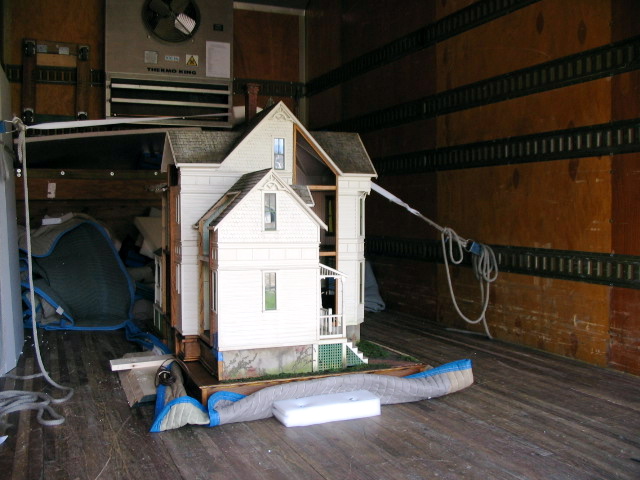
In the truck and on its way.

This time we got it right, and the pieces slotted together without incident, along with sliding out through our Astoria studio’s 32″ door frame and into Artech’s truck for the trip north to Seattle where it would be packed for shipping and delivered to the museum in Maysville, where it is on display to the public today.

Posted in Houses, Miniatures | Tagged , , , , , , , | 4 Comments

How to Smoke a House

South Bend Kitchen after Smoking

People were smoking a lot of things in the ‘70s, but we may have been the only ones smoking houses. And I’m not saying what might have been growing on our porch in those ancient times that might have caused some of these ideas to work into our miniature houses. When we visited old homes and historic buildings we looked behind doors, up at the ceilings, and explored the lumps in the wallpaper–it wasn’t the amenities that interested us, but what made the house feel old.

Today I discovered some interior photos that show our developing detail work. First, the South Bend  kitchen has a patch of smoky grease over the wood cookstove, a detail we took from our very own house (okay, I just didn’t and don’t have time for scrubbing  ceilings). Our kitchen ceiling in Seaview was over an electric stove, but Noel’s penchant for frying meat at the highest possible temperature before ignition resulted in a brownish, shiny stain on the ceiling. Eventually we put in a venting system which did a great job of getting rid of most of the smoke, but the owners of our little houses didn’t have such amenities, hence the necessity for stains. The ceiling stain was the most intense result of the overall technique of smoking a house, one of our final steps toward helping along what we called the illusion of reality, whereby Noel placed an ashtray ringed with lit cigarettes on the mini woodstove, along with some wood chips, and sealed off the house with newspaper. Fire hazard or not, it was necessary to leave the house for a few hours while the nasty weed did its job, as it made the whole house smell like an ash tray. Unveiled, the mini house was fully fogged, but as the smoke cleared, it revealed subtly yellowed walls, with convincing darker areas in the corners, and an overall shading of grime on the sills, moldings and floors. It took “the new” out, and gave the rooms a surprising depth and character. The effect wasn’t instantly apparent, but part of the overall feel of age and human habitation. What was apparent was the awful stink of nicotine and cigarette smoke, which sometimes took weeks to dissipate. Due to customer and spousal complaints, we eventually switched to burning hickory chips as the sole fuel, but, as Noel says even now, “Without nicotine it just wasn’t the same.” The bonus with the hickory chips was the slight hint of maple, which I thought made the house smell as if someone had just finished cooking bacon. A homey smell. Hey—go for all the senses, right?

Attic of Unknown House

And speaking of smells, along with the mini spider webs, we added smelly dust to our attics, garages and crawl spaces. Not just any dust, but vintage dust from the vacuum cleaner bag we brought with us from California in ’74. It only took a light sprinkling to get that musty smell of closed-off rooms. No one ever said anything, so I guess it was pretty subtle, or it was a smell no one wanted to get to the root of.

Posted in Houses, Miniatures | Tagged , , , , , | Leave a comment

The Shasta Shoot

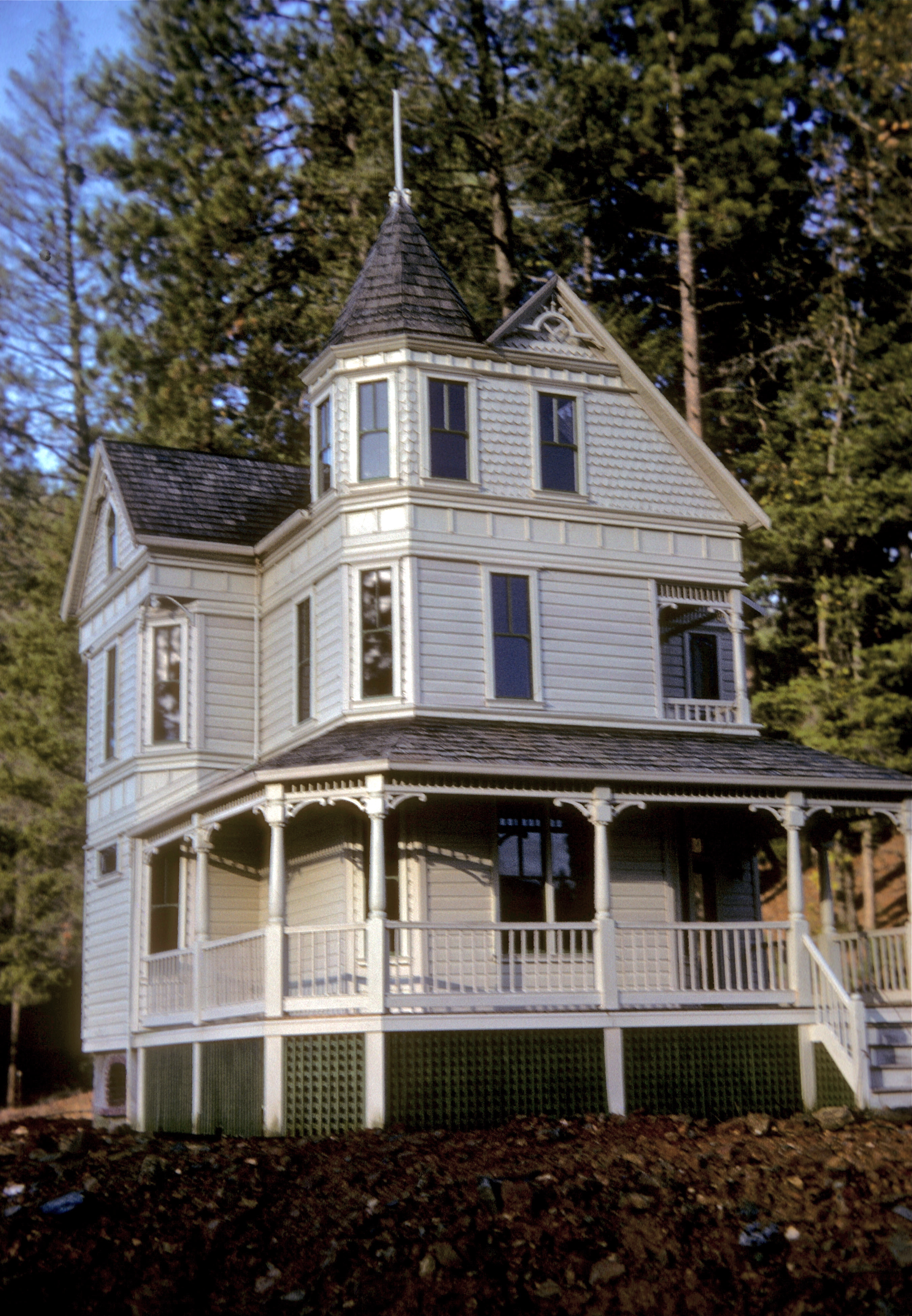
The South Bend on Mt. Shasta, 1977

The South Bend on Mt. Shasta

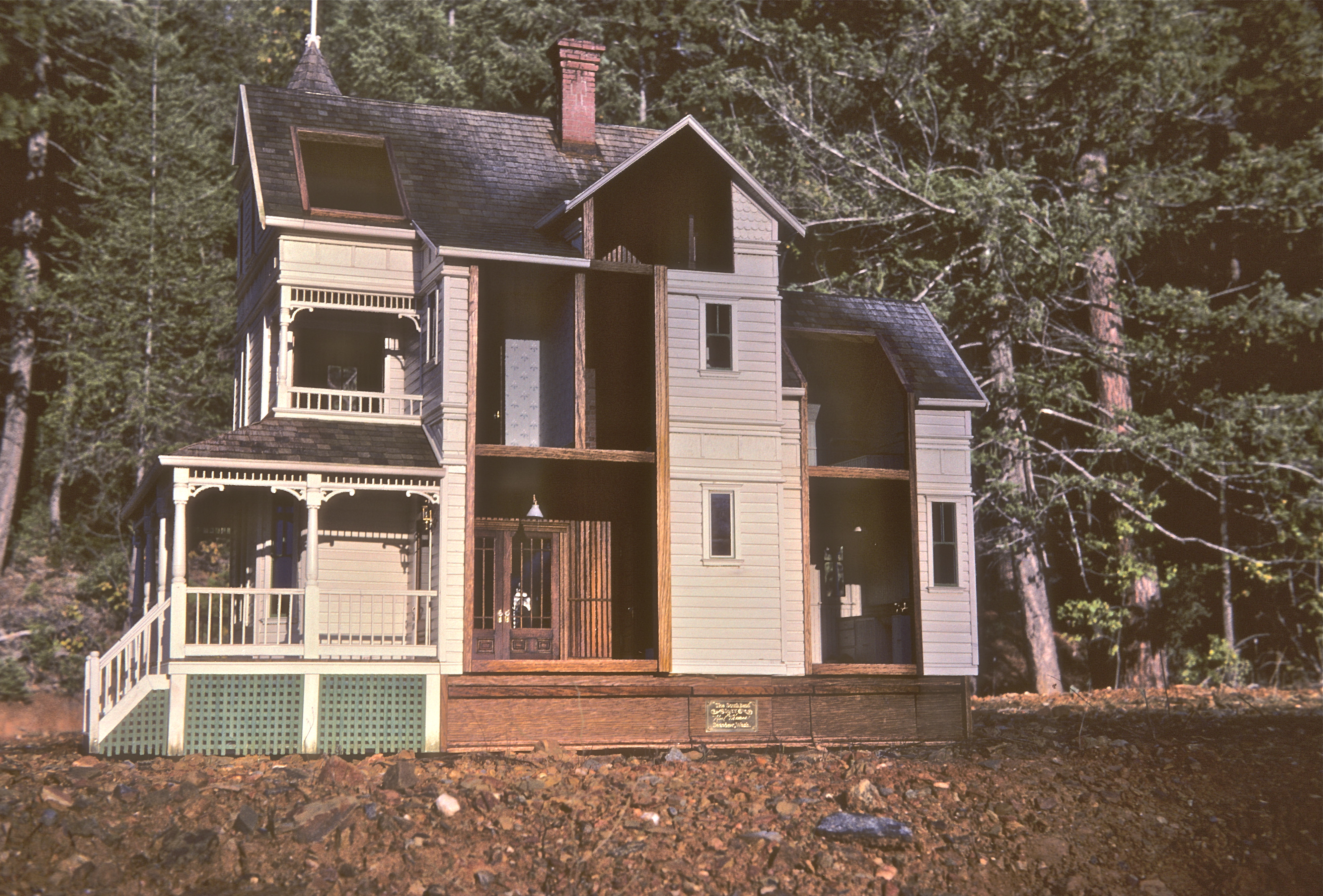
The South Bend miniature house has a two-part story, beginning with its initial construction in the fall of ’77, and its re-hab in 2005 for a new owner. In both cases it has found a happy home—first in California, and now at The Kentucky Gateway Museum Center in Maysville, KY. We worked long hours between August and November to make a timely delivery to its owner in So. California. Part of the rush was to exhibit it at another NAME miniature show, as we had discovered that was our best way of getting new orders, plus we enjoyed the feedback after the solitary months of bringing a project to life. Normally when we finished a house we corralled some friends to help take it out to the beach for a photo session, but the deadline and a spate of bad weather quashed that idea. Instead we packed the house in the van and headed south along the Oregon coast, hoping to find a likely spot for shooting, but again the November rains worked against us. We pushed through to Weed, CA for the night. Weed is an old lumber town high in the mountains near Mt. Shasta, a place Noel wanted to see because it was one of his dad’s regular stops when he traveled for Long Bell Lumber.

South Bend rear view

We awoke to a cold, clear morning with Shasta shining in the near distance. Time was running out—we would have to locate a picturesque location along I-5. Winding down the mountain we found a siding with a good rise in it that would allow us to shoot the house from below as well as at eye level. They weren’t great shots, but we got a decent record of the house in the hour we spent there.  It wasn’t until we were driving away that it dawned on us we had set the house, and ourselves, at the top of one of those emergency gravel hills they make for semi’s when their brakes fail on steep downgrades. They can steer into the siding at full speed and run right up the rise until, with luck, the weight of the truck stops it before they crash over the edge. The miniature gods must have been watching over us, and the truckers, that morning. Later, in Los Angeles, our friend Harry Liles, a terrific professional photographer, would painstakingly shoot the interiors, as he had before and would many times in the future—thanks again, Harry, you make us look great!

South Bend Interior

When we sent the slides off for prints, the processor (who had printed our house slides for several years, and knew what we did for a living) called to ask where this house was—it was just what he wanted to live in. I had a tough time convincing him this house existed in miniature only, that the photo was of a miniature, not a real house we had made a model of.

Posted in Houses, Miniatures | Tagged , , , , , , | 1 Comment